
Taking furniture apart before a move can make a bulky item easier to carry, protect it from bumps, and help it fit through a doorway. But disassembly takes time and is not right for every piece. The decision depends on the item’s construction, the route out of the room, the manufacturer’s guidance, and how confidently it can be put back together.
Start with the path, not the tool kit
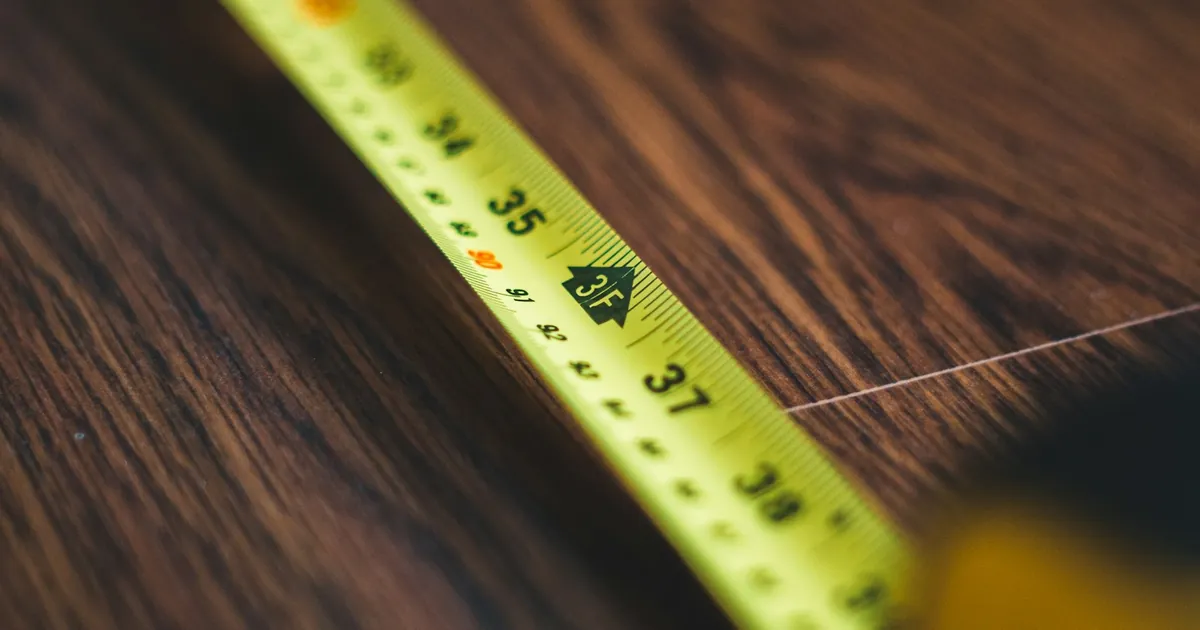
Measure the furniture’s overall dimensions, then look at the complete route from its current location to the vehicle: hallways, turns, stairs, elevators, doorways, and any narrow landings. Measure the tightest points and account for handles, trim, and other obstacles. Also consider whether the item can be tilted or rotated safely without striking ceilings, walls, or fixtures.
Compare those measurements with the furniture’s shape and weight. A piece may fit through a doorway in one orientation but not another. If moving it assembled would require forcing it, scraping walls, or carrying it in an unstable position, partial disassembly may be sensible. If the path is clear and the item is designed to move intact, leaving it assembled may reduce the chance of losing hardware or damaging joints.
Check the furniture’s instructions
Look for an assembly manual, product page, or manufacturer support information. Some products are designed to be taken apart and reassembled; others rely on joints or connectors that can loosen or become damaged when repeatedly dismantled. Follow the manufacturer’s guidance, including any cautions about which parts may be removed.
Avoid treating every fastener as interchangeable. If the instructions are unavailable, identify the item’s construction before beginning and take clear photos of connections and hardware locations. When a piece is valuable, unstable, damaged, or unfamiliar, ask a qualified furniture or moving professional to assess it rather than experimenting.
Decide what needs to come off
Often, removing only the parts that interfere with the move is enough. Depending on the item and its instructions, that could mean taking off detachable shelves, legs, a mirror, or a removable top. Empty drawers and cabinets, and secure doors or drawers for transport in a way that will not damage the finish. Do not use tape directly on surfaces if it could leave residue or pull off a coating.
Before any disassembly, consider:
- Stability: Can the item be moved without twisting or loading a weak joint?
- Size and weight: Would removing an approved component make it more manageable?
- Fragile features: Are there glass panels, mirrors, delicate trim, or protruding hardware?
- Reassembly: Are the parts and instructions available, and can each connection be restored correctly?
- Access: Does the moving route actually require the item to be smaller?
If taking a piece apart would leave it unstable or remove a structural connection you cannot confidently restore, do not proceed without expert guidance.
Keep parts and hardware organized
Set up a clear work area and protect the floor. Photograph the furniture before starting, then take close-up pictures as connections are exposed. Work methodically and avoid using force on parts that resist. Place small hardware in a labeled bag and keep it with the corresponding furniture, rather than putting all the fasteners from several items into one container.
Label parts discreetly with removable notes or another surface-safe method. Keep shelves, panels, and other pieces together as a set, and protect corners and finished surfaces for transport. If the item has an instruction booklet, place it with the hardware or save a copy where it will be easy to find at the destination.
Plan timing and tools
Do not wait until the moving vehicle is ready to find out that an item must come apart. Make a list of large furniture and decide in advance which pieces need attention. Set aside enough time to disassemble carefully, label everything, and pack the components. Use tools appropriate to the fasteners and the manufacturer’s instructions; an ill-fitting or powered tool used carelessly can strip hardware or damage a panel.
If you lack the right tools, cannot identify the connections, or have limited time, a professional may be able to handle disassembly and reassembly. Share photos, product information, and any known access constraints when arranging help.
At the destination
Keep hardware and instructions together until the furniture is reassembled. Follow the original assembly sequence and use the specified components; do not substitute missing fasteners casually. Place the piece on a suitable, level surface and check that it is stable before loading it. If parts are damaged, hardware is missing, or the furniture does not reassemble as expected, stop using it and contact the manufacturer or a qualified professional. Careful planning makes it easier to move the right pieces intact and take apart only what genuinely needs it.