
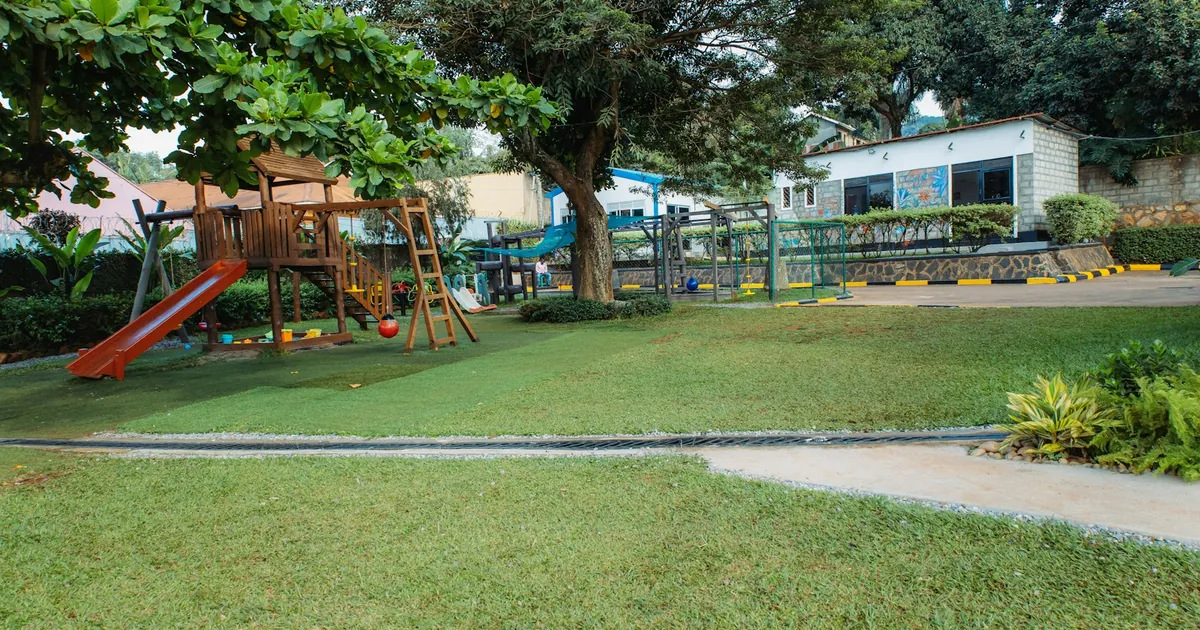
A successful playset project starts before the first part is unpacked. Choosing a suitable location, reviewing the manufacturer’s requirements, and making room to work can help avoid delays and reduce the chance of overlooking an important site condition. Because playsets are used by children and often have substantial structural components, follow the product instructions carefully and get qualified help when the site or installation requirements are unclear.
Read the complete product information
Locate the assembly manual and review it before selecting a final location. Check which parts are included, whether any separately sold components are required, and what tools or helpers the manufacturer recommends. Look for instructions about the intended surface, assembly sequence, anchoring, and ongoing checks. Keep the manual accessible throughout the project and afterward.
Compare the manual with the exact model you purchased. Similar-looking playsets can have different parts and requirements, so do not rely on a generic guide or an online video for a different product. If documentation is missing, parts are damaged, or a step is ambiguous, contact the manufacturer before continuing.
Choose and inspect the site
Walk the proposed area and consider its slope, drainage, soil condition, shade, and proximity to fences, trees, structures, and other obstacles. The location should suit the playset’s footprint and leave the clearances the manufacturer specifies around swings, slides, and other moving or projecting components. Do not estimate or invent those distances: use the product manual and follow any more restrictive local requirements.
Check the ground for uneven areas, soft spots, exposed roots, rocks, and anything else that could interfere with setup or safe use. A playset needs a suitable surface beneath and around it; consult the manufacturer’s surface recommendations and any applicable guidance when deciding what to use. If the proposed ground cannot meet those requirements, choose another location or get expert advice before assembly.
Check utilities and local requirements
Before digging, driving stakes, or doing any site work that could disturb the ground, check for buried utilities through the appropriate local utility-location service. Follow its process and wait for the required information before proceeding. Do not assume that a small project or a familiar yard is free of underground lines. Also look for private features, such as irrigation or other owner-installed services, that may not be covered by a public utility marking.
Check local rules or property requirements that may apply to outdoor structures. Homeowners’ associations, landlords, or local authorities may have placement or approval requirements. Resolve those questions before arranging delivery or beginning installation.
Make room for delivery and assembly
Confirm that the boxed components can reach the assembly area. Note gates, stairs, narrow passages, low branches, and changes in ground level along the route. Clear a path and identify a dry, stable place to sort parts without blocking walkways. Protect landscaping and nearby property as appropriate.
Plan enough open space to lay out components and build the structure in the sequence described by the manufacturer. Keep children, pets, and bystanders out of the work area, especially while long pieces are being handled or the partially assembled playset is not yet stable. Make arrangements for any assistance the instructions call for; large components should not be handled alone if that would be unsafe.
Inventory parts and prepare thoughtfully
When the shipment arrives, compare its contents with the packing list before discarding packaging. Organize hardware and components so they can be identified without mixing similar fasteners. Use the tools and hardware specified by the manufacturer. Do not substitute a different anchor, fastener, or structural part because it seems similar; ask the manufacturer or a qualified installer if a required item is missing.
Check weather and ground conditions before starting. Wet, frozen, or otherwise unsuitable conditions can make site work and handling more difficult. Protect unfinished components from moisture and keep small parts secure. Read through each stage before beginning it, and avoid rushing to meet a delivery or event deadline.
Follow anchoring and completion instructions
Anchoring is a manufacturer-directed part of the installation, not an optional finishing touch. Follow the playset’s specific anchoring instructions and use the specified components in the manner described. If soil, slope, utilities, or another site condition conflicts with those directions, stop and contact the manufacturer or a qualified professional. Do not improvise an anchoring solution.
Before use, complete all manufacturer checks: confirm that parts and connections are installed as directed, the structure is stable, and required clearances are maintained. Follow the manual’s instructions for inspections, maintenance, and age-appropriate use. Keep the documentation so the household can refer to it when checking the playset over time. A well-prepared site and careful adherence to the product guidance help make assembly more orderly and support safer use.